
Can AI Replace Therapists? A Deep Dive into What AI Can — and Can’t — Do for Mental Health
By Amee Chacon, LMHC • Therapevolve.com
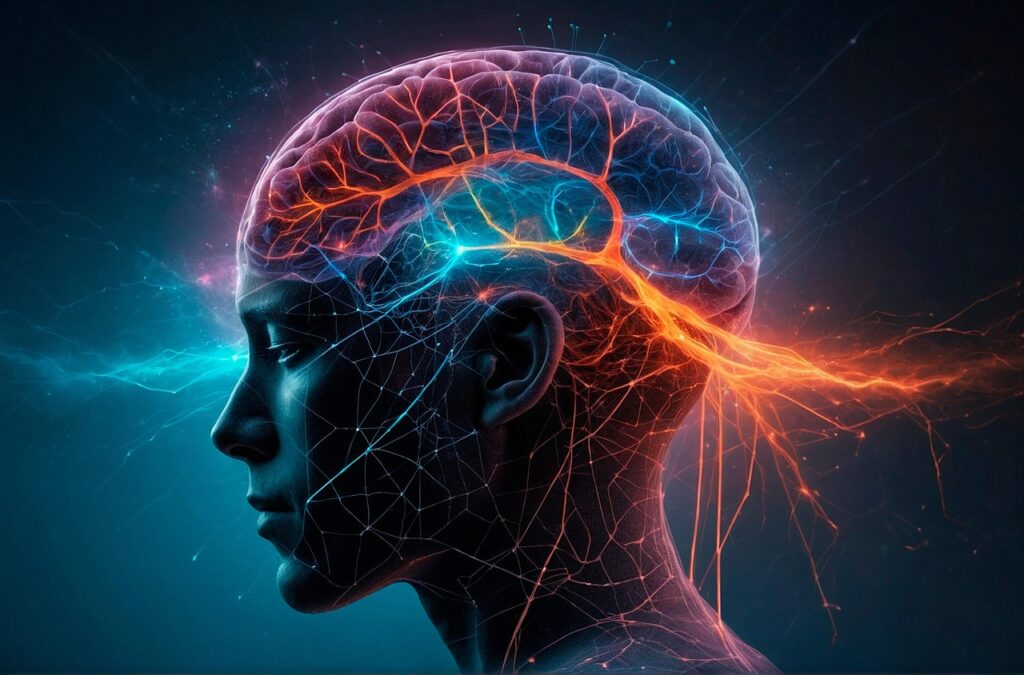
Artificial Intelligence (AI) refers to computer systems designed to perform tasks that typically require human intelligence — such as learning, decision-making, and language processing. In recent years, AI has begun playing a role in healthcare, especially in the mental health field. With AI-powered chatbots, mental health apps, and virtual therapy assistants becoming more common, one big question keeps coming up:
Can AI really replace human therapists?
Let’s explore what AI can actually do for mental health — and where it still falls short.
What AI is Currently Capable of in Mental Health
AI is already being used in a variety of ways to support mental wellness. Here are a few key areas where it’s making a difference:
1. 24/7 Emotional Support via Chatbots
AI chatbots like Woebot, Wysa, and Youper use cognitive behavioral techniques to provide real-time emotional support. They offer guided conversations, mood tracking, and helpful exercises that users can access anytime.
Pros:
- Immediate access to support
- Consistency in responses
- Scalable to large populations
Cons:
- Limited personalization
- Lacks true emotional intelligence
According to the World Economic Forum, over 10,000 people per day engage with AI-based mental health tools like Woebot — and clinical studies show measurable reductions in anxiety and depression symptoms in just two weeks of use.
2. Mood and Behavior Tracking
Many AI-integrated mental health apps track user behavior, sleep patterns, language use, and mood changes. This data can help identify early warning signs of anxiety, depression, or burnout.
3. Content Personalization
AI can suggest tailored self-care activities, mindfulness practices, or journaling prompts based on user input and engagement history — much faster and more efficiently than static resources.
Where AI Falls Short: The Human Factor
Despite its advancements, AI has critical limitations when it comes to mental health care. These aren’t just minor gaps — they are fundamental to what makes therapy effective.
1. Empathy Can’t Be Coded
Human therapists provide warmth, empathy, and deep understanding — qualities that build trust and make healing possible. AI, no matter how advanced, cannot genuinely feel or connect emotionally.
2. Handling Trauma and Crisis
AI systems are not equipped to handle complex trauma, PTSD, grief, or crisis situations. They can follow scripts and protocols, but lack the nuance required for deep emotional work or unpredictable responses.
3. Cultural Context and Identity
Therapists bring lived experience, cultural sensitivity, and awareness of intersectional identities. AI tools often operate on generalized data that may not reflect the unique cultural or personal background of the user.
The Future of Therapy: Collaboration, Not Competition
Rather than replacing therapists, AI is more likely to augment the work of mental health professionals. Think of AI as a tool that enhances care by:
- Offering between-session support
- Monitoring symptoms for early intervention
- Assisting with documentation and data analysis
- Expanding access in underserved communities
Some therapists are already integrating AI into their practices to improve outcomes — not replace themselves, but to extend their reach and improve client engagement.
“AI tools like Wysa have been a game-changer for clients who need support between sessions,” says licensed therapist Maria Gomez, LMFT. “But they’ll never replace the trust and connection built in the therapy room.”
What Does This Mean for You?
If you’re a mental health professional, AI isn’t something to fear — it’s something to understand and harness responsibly. And if you’re someone seeking help, know this:
AI can support your mental health journey, but it can’t walk it with you the way a human therapist can.
Final Thoughts
So, can AI replace therapists?
No — but it can play a valuable supporting role.
As AI continues to evolve, its role in mental health will expand. But the heart of therapy — the human connection, the listening ear, the shared journey — remains irreplaceable.
Ready to Learn More?
Curious how you can ethically integrate AI into your mental health practice?
Download the free guide below:
https://therapevolve.com/wp-content/uploads/2025/08/Ethical-Ai-Mental-Health-Guide.pdf
Explore more now at Therapevolve.com
Questions? I’d love to hear from you: elev8teu@gmail.com