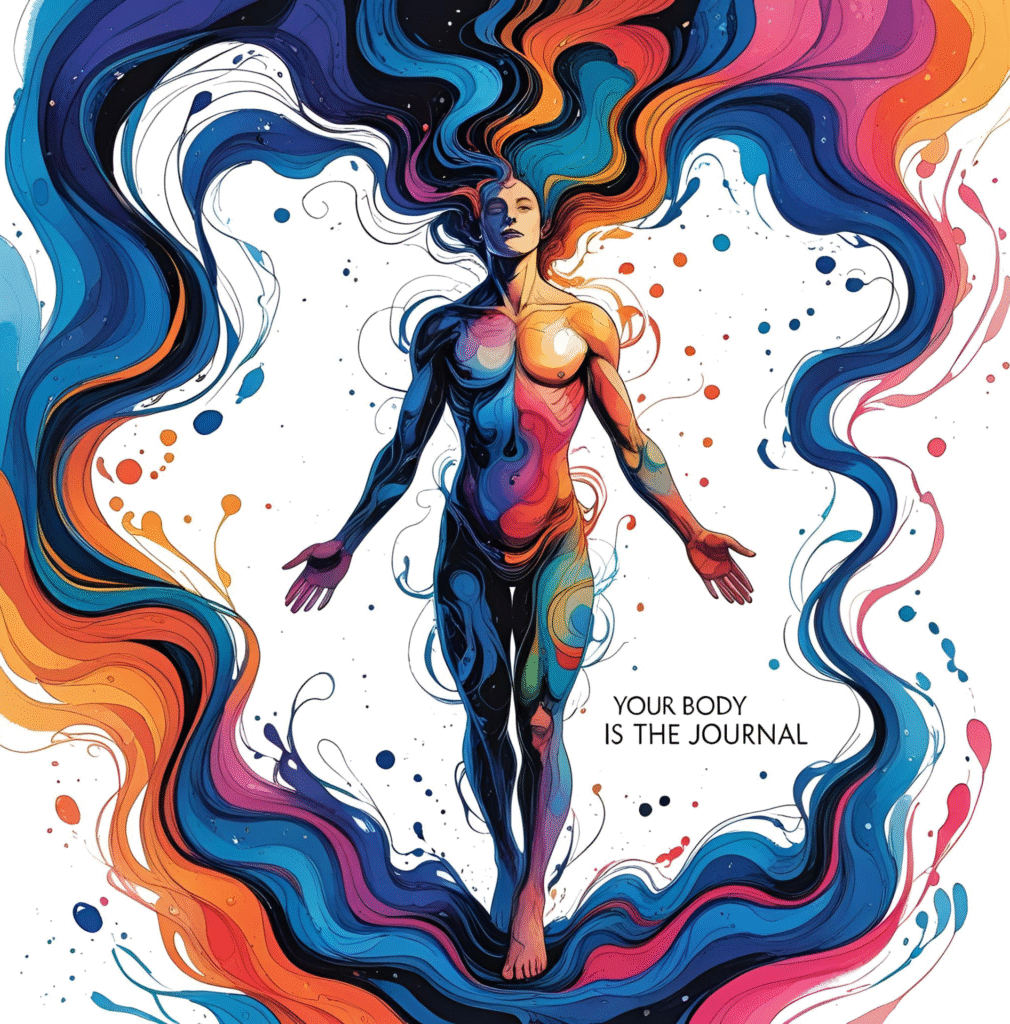
We live in a world obsessed with quick fixes. Headache? Pill. Anxiety? Scroll. Grief? “Move on.” But what if we stopped trying to erase our symptoms—and started listening to them instead?
What if your anxiety is actually your intuition in disguise?
What if grief is love with nowhere to go?
What if every sensation is part of a deeper conversation you were never taught to have?
1.Symptoms as Soul Signals
Most people treat symptoms like weeds—cut them down, cover them up, and move on. But in therapy and in life, I’ve found that symptoms are often signals.
Anxiety might be your soul’s alarm system.
Exhaustion could be the result of leaky boundaries.
Shame may not be yours—it might have been absorbed through years of survival.
Instead of silencing symptoms, we can learn to listen.
Try this: The next time you feel overwhelmed, ask yourself, “What are you trying to show me?” Then write down the first response.
2. A New Emotional Ecosystem
We’re taught that emotions are either “negative” or “positive.” But emotions are not problems to fix—they’re energies to process, and sometimes… creative collaborators.
This is where the Emotional Alchemy Lab begins.
What if:
Grief became a poem?
Anger became a painting?
Shame became a story re-written?
In The Emotional Alchemy Lab, we use emotion as a doorway to creativity—through journaling, music, movement, and reflection. When we stop resisting the emotion and start partnering with it, everything shifts.
3. The Body is the Journal You Forgot You Were Writing
We often focus on journaling with our minds. But your body has been journaling all along.
By Amee Chacon, LMHC • Therapevolve.com We’ve been taught to run from pain. What if the real magic happens when we turn toward it? Most people spend their lives avoiding a specific feeling. For some, it’s grief.For others, it’s rage.For many, it’s shame—sticky, silent, shapeshifting shame. But here’s the paradox: the emotion you avoid the…
By Amee Chacon, LMHC • Therapevolve.com Have you ever felt a deep, gnawing sense that something about you is just… wrong? Not that you made a mistake or did something bad — but that you yourself are flawed, unworthy, or “less than”? That heavy feeling, often silent and invisible to others, is called shame. Unlike…